
Integrated Pest Management: A Smarter Approach to Long-Term Control
A pest problem does not go away on its own. Integrated Pest Management, often called IPM, is a structured method that controls pests by combining inspection, prevention, and targeted treatment. It focuses on long-term results while reducing unnecessary chemical use, which makes it a practical choice for homes across New Jersey.
What Is Integrated Pest Management and How Does It Work?
Integrated Pest Management is a step-by-step approach that controls pests by understanding their behavior, habitat, and life cycle. It relies on inspection, monitoring, and precise treatment instead of routine spraying. The goal is to solve the root cause of infestations, not just the visible signs.
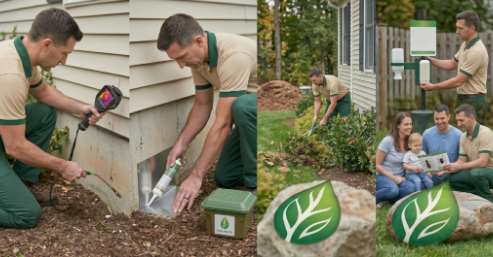
IPM begins with a detailed inspection of the property. Technicians identify entry points, nesting areas, and conditions that attract pests. After this, they create a treatment plan that may include sealing gaps, adjusting moisture levels, and using targeted products only where needed. This approach reduces repeated infestations and limits exposure to chemicals inside your home.
Why Is IPM More Effective Than Traditional Pest Control?
Traditional pest control often focuses on quick results through widespread chemical application. IPM takes a more thoughtful route by addressing why pests are present in the first place. This leads to longer-lasting results and fewer recurring issues.
Many homeowners in New Jersey deal with seasonal pest activity. A one-time treatment may remove pests temporarily, but it rarely stops them from coming back. IPM breaks this cycle by removing food sources, blocking entry points, and disrupting breeding patterns. Over time, this reduces the overall pest population rather than just managing outbreaks.
What Types of Pests Can IPM Control in New Jersey?
Integrated Pest Management can handle a wide range of pests commonly found in New Jersey homes. It is especially effective for ants, rodents, termites, and seasonal insects like mosquitoes and ticks. The method adapts to each pest type by focusing on its habits and vulnerabilities.
New Jersey is home to nearly 100 species of ants. The most common include carpenter ants, pavement ants, field ants, sugar ants, pharaoh ants, and odorous house ants. Each species behaves differently. Carpenter ants may damage wood, while sugar ants search for food indoors. IPM ensures proper identification so treatments match the specific species.
Rodents such as mice and rats are another concern, especially in colder months. IPM uses exclusion techniques like sealing entry points and removing nesting materials. Termites require a different strategy that targets colonies and protects the structure over time. This flexibility makes IPM suitable for both minor and severe infestations.
How Does IPM Reduce Chemical Exposure in Your Home?
IPM limits chemical use by applying treatments only when necessary and only in targeted areas. This reduces exposure for families, pets, and indoor air quality. It also helps prevent pests from building resistance to pesticides.
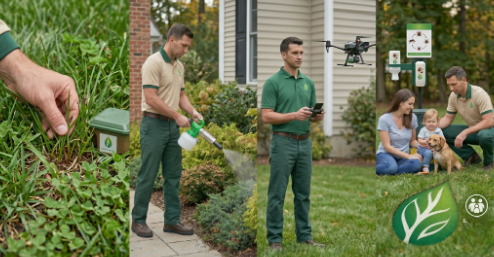
Instead of routine spraying, technicians use monitoring tools such as traps and bait stations. These tools provide data on pest activity and guide treatment decisions. When chemicals are required, they are applied in precise locations where pests live or travel. This focused method improves safety while still delivering strong results.
For families in New Jersey who are concerned about health and environmental impact, this approach offers peace of mind without sacrificing effectiveness.
What Are the Key Steps in an Integrated Pest Management Plan?
A proper IPM plan follows a clear process that builds long-term control. Each step plays a role in reducing pest activity and preventing future problems.
Inspection and Identification
Inspection is the starting point of any IPM plan. Technicians look for signs such as droppings, nests, damage, and entry points. Accurate identification is critical because different pests require different treatments.
Prevention and Habitat Modification
Prevention focuses on making your home less attractive to pests. This includes sealing cracks, fixing leaks, storing food properly, and improving sanitation. Small changes in the environment can make a big difference in keeping pests away.
Monitoring and Tracking
Monitoring tools help track pest activity over time. Sticky traps, bait stations, and visual checks provide ongoing data. This allows technicians to adjust the plan as needed.
Targeted Treatment
Treatment is used only when necessary and is applied in a controlled manner. This may include baits, gels, or localized sprays. The goal is to eliminate pests at the source without overusing chemicals.
Evaluation and Follow-Up
IPM does not stop after one visit. Regular follow-ups ensure that treatments are working and that new issues are addressed early. This step keeps pest populations under control year-round.
What Are Common Mistakes Homeowners Make With Pest Control?
Many pest problems continue because of small but costly mistakes. Understanding these can help you avoid repeated infestations.
One common mistake is relying on store-bought sprays without identifying the pest. Using the wrong product may not solve the issue and can even make it worse. Another issue is ignoring entry points. Even a small gap around a pipe or window can allow pests to enter.
Improper food storage is another factor. Open containers, crumbs, and garbage left overnight can attract ants and rodents. Moisture problems, such as leaks or damp basements, also create ideal conditions for pests. Without fixing these underlying issues, treatments alone will not provide lasting results.
How Does IPM Handle Ant Infestations in New Jersey Homes?
IPM treats ant infestations by identifying the species and targeting the colony rather than just the visible ants. This method ensures that the entire colony is eliminated, which prevents recurring activity.
For example, carpenter ants require treatment near wood structures where they nest. Sugar ants are often controlled using bait systems that workers carry back to the colony. Pavement ants may need treatment around foundations and walkways. Each strategy is based on how the ants behave and where they live.
In New Jersey, where multiple ant species are active, this level of precision is necessary. It avoids wasted effort and ensures that treatments deliver real results.
Can IPM Help With Rodent and Termite Problems?
IPM is highly effective for both rodents and termites because it addresses their hiding spots and entry points. For rodents, the focus is on exclusion, sanitation, and trapping. For termites, the strategy targets colonies and protects the structure over time.
Rodents often enter homes through small openings in walls, roofs, or foundations. Sealing these gaps is a key part of the IPM process. Traps and bait stations are then used to reduce the population.
Termites require a more specialized approach. IPM includes soil treatments, bait systems, and ongoing monitoring to detect activity early. This helps prevent structural damage, which can be costly to repair. Homeowners in New Jersey benefit from early detection, especially in areas with known termite activity.

What Are the Long-Term Benefits of Integrated Pest Management?
Integrated Pest Management provides long-term control by focusing on prevention and consistency. It reduces the need for repeated treatments and helps maintain a pest-free environment.
Over time, IPM can lower overall costs because it reduces the frequency of infestations. It also supports a healthier indoor space by limiting unnecessary chemical use. For homeowners who want a reliable solution, this method offers both safety and effectiveness.
Another benefit is adaptability. IPM plans can be adjusted based on seasonal changes and new pest activity. This ensures that your home remains protected throughout the year, especially in regions like New Jersey, where pest patterns shift with the seasons.
Frequently Asked Questions About Integrated Pest Management
Is Integrated Pest Management safe for families and pets?
Yes, IPM is designed to reduce chemical exposure by using targeted treatments and non-chemical methods. It focuses on prevention and monitoring, which makes it a safer option for households with children and pets.
How long does it take to see results with IPM?
Results can vary depending on the type of pest and the severity of the infestation. Some issues improve within days, while others may take a few weeks as the plan works through monitoring and targeted treatments.
Do I still need regular pest control visits with IPM?
Yes, ongoing visits are part of the process. Regular inspections and monitoring help catch problems early and maintain long-term control.
Can IPM handle severe infestations?
Yes, IPM can be used for both minor and severe infestations. The approach adjusts based on the situation, using stronger treatments when necessary while still focusing on long-term prevention.
Is IPM suitable for all homes in New Jersey?
IPM works well for most residential properties in New Jersey. It is especially useful in areas with recurring pest issues or seasonal activity.
Conclusion: A Smarter Way to Keep Your Home Protected
Integrated Pest Management offers a clear path to long-term pest control by combining inspection, prevention, and targeted treatment. It reduces recurring problems and supports a safer home environment for families across New Jersey.
If you are looking for a reliable solution, our team at
Green Heat NJ provides pest control services built around this approach. Work with our team to address current issues and prevent future infestations using proven IPM methods.
Schedule a consultation today.