
Rodent Control New Jersey Homeowners Turn to When Mice or Rats Move In

October 6, 2026

Hearing scratching in the walls at night or finding a chewed corner of a cereal box is usually the first sign something has moved in uninvited. Rodent Control New Jersey homeowners call for typically starts with one of those small discoveries, and Green Heat NJ responds with an inspection first rather than jumping straight to traps or bait. A Rodent Exterminator New Jersey families trust needs to know exactly what species is present and where it is nesting before any treatment plan makes sense.


Quick Answers


How do I know if I have mice or rats? 


Mice leave smaller, pointed droppings and thinner gnaw marks, while rats leave larger droppings and can chew through tougher materials.


Are rodents actually a health risk, or just a nuisance?


They are a genuine health risk, since droppings, urine, and nesting material can spread bacteria and trigger allergic or respiratory reactions.


Should I try DIY traps before calling a professional?


A few traps can help with a very small, newly noticed problem, but an established infestation usually needs a professional inspection to find the full extent of the activity.


What Are the Clearest Signs of a Rodent Infestation?


Rodent activity leaves behind a fairly consistent set of clues, and recognizing them early makes a real difference in how quickly a problem gets resolved.

  • Droppings clustered near food storage, along baseboards, or inside cabinets and drawers.
  • Gnaw marks on wood, wiring, cardboard, or stored food packaging.
  • A stale, musky odor in enclosed spaces like closets, attics, or under sinks, often from urine buildup.
  • Scratching or scurrying sounds inside walls or ceilings, most noticeable at night when rodents are more active.


What Health and Property Risks Do Rodents Actually Create?


A Rodent Exterminator New Jersey households call in is not just addressing an inconvenience, since mice and rats carry real health and property risks.


  • Droppings and urine can contaminate food surfaces and contribute to respiratory issues, particularly for anyone with asthma or allergies.
  • Rodents are known carriers of diseases such as hantavirus and salmonella, spread through contact with droppings or contaminated surfaces.
  • Constant gnawing on electrical wiring inside walls or attics raises a real fire risk, since damaged wiring is often hidden from view.
  • A small population can grow quickly. A single pair of mice can produce several litters in a year if left unaddressed.


What Should Happen During a Professional Rodent Control Visit?


A Rodent Control New Jersey visit from a licensed technician generally follows a structured process rather than a single quick fix.


  • The inspection covers likely nesting areas first, including attics, basements, crawl spaces, and areas near food storage.
  • Trap and bait placement is planned around confirmed activity, not scattered randomly throughout the home.
  • Follow-up monitoring checks whether activity has stopped or whether additional treatment is needed in a specific area.
  • Recommendations for reducing future risk, such as securing outdoor trash storage or trimming vegetation away from the foundation, are typically included.


This structured approach helps homeowners understand not just that a treatment happened, but why it was placed where it was and what to expect afterward.


Common Entry Points and Exclusion Steps for New Jersey Homes


Stopping an active infestation requires cutting off the pathways mice and rats use to slip inside during colder weather.

  • Utility Line Gaps: Small openings where plumbing lines, gas pipes, or electrical conduits enter through exterior walls provide direct access for rodents.
  • Garage and Door Sweeps: Worn weather stripping or damaged sweeps along foundation-level doors create soft entry points that mice can easily squeeze through.
  • Foundation Cracks: Mortar decay and foundation settling leave small gaps that require sealing with rodent-resistant materials like steel wool and outdoor sealant.
  • Roofline and Attic Vents: Unscreened attic vents or damaged soffits allow roof rats and mice to enter upper levels from overhanging tree branches. Learn more on the Green Heat NJ Services page.

Eco-Friendly and Pet-Safe Treatment Options


Managing pest issues effectively does not mean compromising the safety of your family or household pets.

  • Tamper-Resistant Bait Stations: Secure, locked bait boxes prevent children and pets from accessing interior traps or rodenticides.
  • Targeted Mechanical Trapping: Positioning specialized snap traps along precise travel corridors neutralizes pests without relying heavily on chemical applications.
  • Eco-Friendly Repellents: Botanical treatments and natural exclusion barriers help deter rodents from nesting in sensitive areas.
  • Customized Pest Plans: Developing a tailored approach based on your specific home layout ensures maximum safety and effectiveness. Reach out through the Green Heat NJ Contact page to schedule a consult.


Frequently Asked Questions


  • How long does it take to resolve a rodent problem?

    Smaller issues can often be resolved within one to two visits, while larger infestations may need ongoing monitoring and follow-up treatment.

    rested get more information. You can emphasize this text with bullets, italics or bold, and add links.

  • Is trapping or baiting used, or both?

    Both methods are commonly used together, with the choice depending on the location, the species present, and household considerations like children or pets.phasize this text with bullets, italics or bold, and add links.

  • Can rodents come back after treatment?

    They can if entry points remain open, which is why identifying and addressing access points is typically part of a complete treatment plan.

  • Does Green Heat NJ use pet-safe methods for rodent control?

    Yes, treatment plans are designed with families and pets in mind, using placement and product choices suited to each home's layout.phasize this text with bullets, italics or bold, and add links.

  • What time of year sees the most rodent activity in New Jersey?

    Fall and winter tend to bring the most indoor activity as rodents search for warm shelter, though activity can occur year-round.


Add your custom HTML here
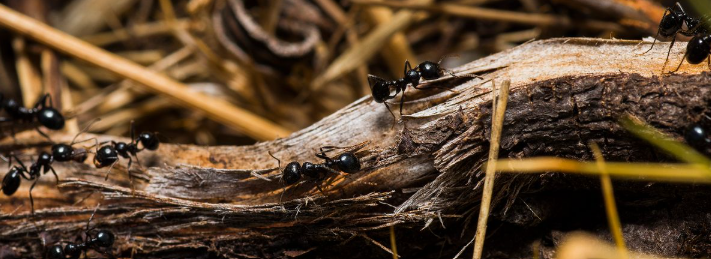
Ants on a log outdoors, one of the pests handled by insect control services in New Jersey
October 6, 2026
Need a rodent exterminator in New Jersey? Green Heat NJ inspects, traps, seals entry points, and monitors your home to prevent rodents from returning
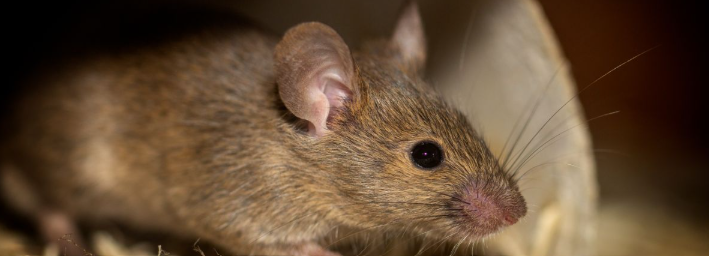
 Close-up of a house mouse, the pest a rodent exterminator in New Jersey is called out to remove
October 6, 2026
Hearing scratching in the walls? See what a rodent exterminator in New Jersey actually does, step by step, and why sealing entry points matters more than traps.
August 17, 2026
Ever notice how the bugs seem to change with the calendar? One month it is ants, the next it is wasps, then suddenly mice are back. If you want reliable pesticide control services New Jersey homeowners can count on all year, it helps to know what is coming and when. At Green Heat NJ , we have treated homes across New Jersey through every season, and you can see our full range on the Green Heat NJ pest control home page . From carpenter ants control New Jersey folks worry about in spring to winter rodents, here is your season-by-season game plan. Quick Answers Which pests are most common in New Jersey in summer? Mosquitoes, ticks, ants, and wasps peak in New Jersey summers, with ticks posing the highest health risk. Do you need pest control in New Jersey during winter? Yes. Rodents, bed bugs, and overwintering insects stay active indoors, so winter treatment still matters. What is the most damaging household pest in New Jersey? Termites and carpenter ants cause the most costly structural damage, often before homeowners even notice them. Key Takeaways New Jersey pests shift by season, so year-round protection beats one-time spraying. Spring means ants, termites, and carpenter ants on the move. Summer is peak mosquito and tick season, and ticks carry real health risks. Fall is when rodents head indoors looking for warmth. Winter pests are quieter but still active inside your home. Green Heat NJ is NJDEP licensed (No. 90774B) with an A+ BBB rating. What Household Pests Are Most Common in New Jersey During Spring? Spring is the wake-up call. As the ground warms across New Jersey, ants get busy, termites start to swarm, and carpenter ants go hunting for damp wood to nest in. This season sets the tone for the rest of the year. Why does spring matter so much for carpenter ants control in New Jersey? Because a colony caught early is far easier to clear than one that has built up all summer. If you spot sawdust-like shavings near wood, treat that as a red flag. Our eco-friendly pest control services in New Jersey page walks through the options. Which Summer Pests Pose the Biggest Risk in New Jersey? Summer is when things get serious. Warm, humid New Jersey weather is a breeding ground for mosquitoes and ticks, and this is when insect control services New Jersey homeowners really matter. So how risky are ticks, really? Riskier than most folks think. The CDC estimates that about 476,000 Americans are diagnosed and treated for Lyme disease every year, and New Jersey ranks among the highest-risk states. You can read the CDC Lyme disease facts and statistics for the full picture. For yard protection, our New Jersey tick control guide covers prevention step by step. Why Do Pests Come Indoors in New Jersey During Fall? When New Jersey nights turn cool, pests start hunting for warmth, and your home looks like a five-star hotel. Mice, spiders, and stink bugs make up the usual fall crowd. What is the one thing that invites rodents inside? Gaps. A mouse can squeeze through an opening the size of a dime, so sealing entry points in fall matters. This is also the smart time to schedule a fall pest inspection before winter sets in. Your New Jersey Pest Calendar at a Glance
Show More