
What a Rodent Exterminator Actually Does in a New Jersey Home

October 6, 2026

Most homeowners call about rodents for the same reason: a noise in the ceiling at two in the morning. By then the mice have usually been in the house for weeks, and in New Jersey that first cold snap in autumn is what pushes them indoors. A rodent exterminator New Jersey homeowners can rely on does not simply set traps and leave, and the difference between those two approaches is the difference between a quiet month and a recurring problem.

Green Heat NJ works through a five stage process on every rodent call across New Jersey, and the most important stage is the one people do not expect. Here is what actually happens, what you should ask for, and how to tell whether the job was finished properly.


Quick Answers

What does a rodent exterminator do first?

A full property inspection, before anything is set or applied. The point is to find how the rodents are getting in and where they are nesting, because treating without that is guesswork.

Are traps enough on their own?

No. Trapping removes the rodents that are already inside. Sealing the access areas is what stops the next ones, which is why both are part of the process at Green Heat NJ.

How do I know I have rodents and not something else?

Droppings in cabinets or pantry areas, scratching sounds in walls or ceilings, chewed wires or packaging, and nesting materials in attics or basements. Any one of those is worth a call.


The Five Stages of a Rodent Job

Green Heat NJ runs the same sequence on every rodent call in New Jersey, because skipping a stage is what causes the problem to come back. The order matters as much as the steps.

What happens on a rodent control visit?

These are the five stages, start to finish, plus the thinking that sits behind them.

  • Full property inspection: the technician walks the whole structure, inside and out, to establish where activity is and how far it has spread.
  • Identification of entry points: mice fit through gaps far smaller than people expect, so this stage covers utility penetrations, vents, sill plates and the roofline.
  • Strategic trapping and baiting: placement is decided by the inspection rather than by guesswork, which is why it comes third and not first.
  • Sealing access areas: the stage that decides whether the problem is solved or postponed. This is the one to ask about.
  • Ongoing monitoring and prevention: a follow up confirms activity has stopped and catches anything the first pass missed, which matters in New Jersey where an older housing stock gives rodents plenty of second chances.
  • Cause, not just symptom: the technicians are trained to work out why the rodents came in, which is usually food access, moisture or an opening nobody had noticed.

Read the full pest control service list for how the same approach applies to other pests.


Signs You Have Rodents in a Residential Property

Rodents are quiet tenants until they are not, and most New Jersey households discover them by accident. The signs below are the usual first clue, and each one tells you something slightly different about how long they have been there.

Which signs mean what?

Use the table below to work out how urgent your situation is before you call.


What you notice What it usually means How urgent
Droppings in cabinets or pantry Active feeding inside the home Call now, food is being contaminated
Scratching in walls or ceilings Nesting in a wall void or attic Call now, a nest is established
Chewed wires or packaging Gnawing damage in progress Urgent, chewed wiring is a fire risk
Nesting material in attic or basement Long term occupation Urgent, the colony has settled in
A single mouse seen once Early entry, possibly a lone animal Inspect soon, before it becomes a colony
Pet reacting to a wall or cabinet Activity you cannot hear yet Worth an inspection

This is paragraph text. Click it or hit the Manage Text button to change the font, color, size, format, and more. To set up site-wide paragraph and title styles, go to Site Theme.Rodents contaminate food, chew wiring, damage insulation and can carry bacteria into a home, which is why none of these are worth waiting out.


Why Sealing Matters More Than Trapping

The stage most homeowners have never had done is exclusion, which is the sealing of every route a rodent uses to get inside. On a typical New Jersey home it is unglamorous, it takes the longest, and it is the only part of the job that changes anything permanently.


What does exclusion work involve?

Exclusion is about the building rather than the animal, and it is where a thorough contractor separates from a quick one.

  • Utility penetrations: the gaps where pipes, cables and vents pass through the exterior are the most common way in.
  • Garage and basement thresholds: door sweeps and gaps at grade level are easy for a mouse and easy to overlook.
  • Rooflines and soffits: a route that opens up as trim ages, and one that rarely gets checked from the ground.
  • Crawl spaces: often where the first evidence appears, and the space nobody wants to enter.
  • Food and moisture: sealing works better when the attraction is reduced at the same time.
  • Follow up: monitoring after the seal confirms the work held, which is the point of stage five.

If a quote does not mention sealing at all, ask why. It is the difference between a treatment and a solution.


​For more information about rodenticide safety, see the EPA’s guidance on rodent control products and their safe use.


Choosing Someone to Do the Work in New Jersey

Rodent control in New Jersey is regulated work with real products involved, so it is worth knowing what you are buying. The EPA guidance on controlling rodents and rodenticides sets out how these products are regulated, and Rutgers NJAES is a sensible local reference for pest pressure across the state.

What should you ask before booking?

Five questions, and the answers tell you most of what you need to know.

  • Does the quote include sealing entry points, or only trapping? This is the single most useful question.
  • Will you inspect the crawl space, attic and roofline, not just the rooms where I heard something?
  • What happens if activity continues after the first visit?
  • Are the products you use appropriate for a home with children or pets? Green Heat NJ specializes in lower exposure, eco-friendly options for exactly this reason.
  • Will you tell me what caused it? Anyone searching for a rodent exterminator near me should expect a cause, not just a callout.

A contractor who answers all five without hedging is describing a finished job rather than a visit.


Book a Rodent Inspection in New Jersey

If you are hearing something in the walls, the useful next step is an inspection rather than a trip to the hardware store. Green Heat NJ will tell you what is there, how it got in and what it takes to finish it, and the estimate is free.

Green Heat NJ serves homes across New Jersey, seven days a week. Call (973) 932-2092 or use the contact form to schedule your inspection. Open Monday through Sunday, 8:00 am to 8:00 pm. Hours and directions are on the Google Business Profile.

Call (973) 932-2092 today and describe what you are hearing. The estimate costs nothing.

Want to get ahead of it instead? Start with the prevention hacks guide on the blog.


​Stop Rodents Before They Come Back

Hearing scratching, finding droppings, or noticing chewed wiring? Green Heat NJ can inspect your home, identify entry points, and create a targeted plan to remove rodents and prevent them from returning.

Schedule Your Rodent Inspection


Quick Summary

A rodent exterminator in New Jersey should be doing five things, in order: a full property inspection, identification of entry points, strategic trapping and baiting, sealing of access areas, and ongoing monitoring and prevention. The fourth stage is the one that decides whether the problem is solved or simply postponed, and it is the one most homeowners have never had done. The signs worth calling about are droppings in cabinets or pantry areas, scratching in walls or ceilings, chewed wires or packaging, and nesting materials in attics or basements. Rodents contaminate food, chew wiring, damage insulation and can carry bacteria indoors, so none of those signs are worth waiting out. Green Heat NJ works on cause rather than symptom, uses eco-friendly options suited to homes with children and pets, and covers New Jersey seven days a week from 8:00 am to 8:00 pm on (973) 932-2092.


Key Takeaways

  • A proper rodent job runs five stages, and inspection comes before anything is set or applied.
  • Trapping removes what is already inside; sealing entry points is what stops the next ones.
  • Ask any contractor directly whether the quote includes sealing, not just trapping.
  • Droppings, scratching in walls, chewed wiring and nesting material are the four signs worth a call.
  • Chewed wiring is the reason a rodent problem is a safety issue rather than a nuisance.
  • Eco-friendly, lower exposure options exist and suit homes with children or pets.
  • Green Heat NJ covers New Jersey seven days a week, 8:00 am to 8:00 pm, with free estimates.


Frequently Asked Questions

  • How long does rodent treatment take to work?

    Trapping usually shows results quickly, but the job is not finished until entry points are sealed and a follow up confirms activity has stopped. Ask for that follow up rather than assuming silence means success.


  • Is one mouse really worth calling about?

    It is worth an inspection. A single mouse means there is a way in, and the way in is what matters. Finding it early is far cheaper than dealing with a colony later.

    dd links.

  • Is searching for a rodent exterminator near me enough to choose one?

    It gives you a list. What separates them is whether the quote includes sealing access areas, whether they inspect the crawl space and roofline, and what happens if activity continues.


  • Are the treatments safe around children and pets?

    Green Heat NJ specializes in eco-friendly options designed to be effective while remaining suitable for families and pet owners. Tell the technician about pets and children when you book so the plan accounts for them.


  • Do you handle rodents in rentals and other properties?

    Yes. Plans are built around the property rather than a template, whether that is a home, a rental, a campground or a facility.


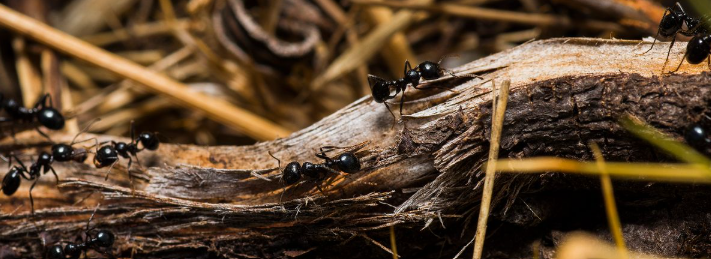
Ants on a log outdoors, one of the pests handled by insect control services in New Jersey
October 6, 2026
Need a rodent exterminator in New Jersey? Green Heat NJ inspects, traps, seals entry points, and monitors your home to prevent rodents from returning

Humane rodent control, mouse removal, and rat exclusion services for New Jersey homeowners.
October 6, 2026
Need rodent control in New Jersey? Green Heat NJ identifies and treats mice and rat activity with targeted, pet-safe solutions for your home.
August 17, 2026
Ever notice how the bugs seem to change with the calendar? One month it is ants, the next it is wasps, then suddenly mice are back. If you want reliable pesticide control services New Jersey homeowners can count on all year, it helps to know what is coming and when. At Green Heat NJ , we have treated homes across New Jersey through every season, and you can see our full range on the Green Heat NJ pest control home page . From carpenter ants control New Jersey folks worry about in spring to winter rodents, here is your season-by-season game plan. Quick Answers Which pests are most common in New Jersey in summer? Mosquitoes, ticks, ants, and wasps peak in New Jersey summers, with ticks posing the highest health risk. Do you need pest control in New Jersey during winter? Yes. Rodents, bed bugs, and overwintering insects stay active indoors, so winter treatment still matters. What is the most damaging household pest in New Jersey? Termites and carpenter ants cause the most costly structural damage, often before homeowners even notice them. Key Takeaways New Jersey pests shift by season, so year-round protection beats one-time spraying. Spring means ants, termites, and carpenter ants on the move. Summer is peak mosquito and tick season, and ticks carry real health risks. Fall is when rodents head indoors looking for warmth. Winter pests are quieter but still active inside your home. Green Heat NJ is NJDEP licensed (No. 90774B) with an A+ BBB rating. What Household Pests Are Most Common in New Jersey During Spring? Spring is the wake-up call. As the ground warms across New Jersey, ants get busy, termites start to swarm, and carpenter ants go hunting for damp wood to nest in. This season sets the tone for the rest of the year. Why does spring matter so much for carpenter ants control in New Jersey? Because a colony caught early is far easier to clear than one that has built up all summer. If you spot sawdust-like shavings near wood, treat that as a red flag. Our eco-friendly pest control services in New Jersey page walks through the options. Which Summer Pests Pose the Biggest Risk in New Jersey? Summer is when things get serious. Warm, humid New Jersey weather is a breeding ground for mosquitoes and ticks, and this is when insect control services New Jersey homeowners really matter. So how risky are ticks, really? Riskier than most folks think. The CDC estimates that about 476,000 Americans are diagnosed and treated for Lyme disease every year, and New Jersey ranks among the highest-risk states. You can read the CDC Lyme disease facts and statistics for the full picture. For yard protection, our New Jersey tick control guide covers prevention step by step. Why Do Pests Come Indoors in New Jersey During Fall? When New Jersey nights turn cool, pests start hunting for warmth, and your home looks like a five-star hotel. Mice, spiders, and stink bugs make up the usual fall crowd. What is the one thing that invites rodents inside? Gaps. A mouse can squeeze through an opening the size of a dime, so sealing entry points in fall matters. This is also the smart time to schedule a fall pest inspection before winter sets in. Your New Jersey Pest Calendar at a Glance
Show More