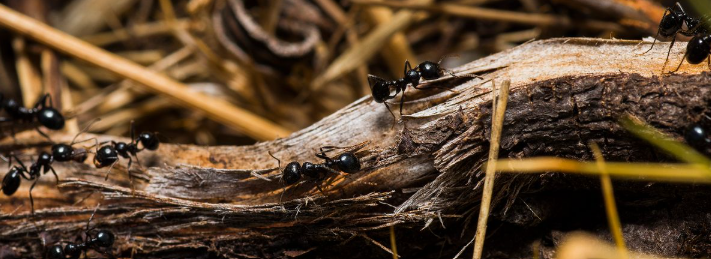
How to Spot the First Signs of a Carpenter Ant Infestation in Your Home
Is your NJ dwelling under stealthy assault? While termites cause dread, a carpenter ant invasion in NJ can be equally damaging if ignored. These sizable, busy insects don't eat lumber—they hollow it out, creating complex tunnels for their expanding families.
If you've observed a lone large black ant on your counter or a strange dust pile by an exit, https://www.greenheatnj.com/green-pest-control may be in order. Green Heat has years of experience assisting property owners from Bergen up to Cape May in safeguarding their most valuable assets from these wood-damaging pests.
Why Are Carpenter Ants a Problem in New Jersey?
Carpenter ants thrive in moist environments and often build nests in damp or damaged wood.
Common nesting locations include:
- Window frames
- Wooden decks
- Attics
- Wall voids
- Tree stumps near homes
According to the National Pest Management Association, carpenter ants are among the top structural pests affecting homes in the northeastern United States.
This makes early detection especially important for homeowners in New Jersey.
What Does Carpenter Ant "Frass" Resemble?
A frequent sign of an infestation is the presence of "frass." Since carpenter ants don't consume wood for sustenance, they must eject the material they excavate from their tunnels.
The material resembles small heaps of sawdust. However, unlike fresh sawdust from a construction job, carpenter ant frass typically contains bits of deceased insects and soil particles. You usually find these small mounds beneath exit holes in baseboards, door frames, or window ledges.
How to Differentiate Between Ants and Termites?
It’s simple to mistake these two pests, yet the necessary corrective actions are quite distinct. Carpenter ants possess bodies with two segments and a slender "waist," curved feelers, and rear wings that are shorter than their front wings. Termites have straight bodies, straight feelers, and wings of the same length.
If you're uncertain about the creature, our local NJ pest specialists at Green Heat can offer a positive identification. Employing modern thermal scanning and moisture gauges, we pinpoint the damp spots that originally attract these insects.
What Action to Take Upon Seeing Winged Ants?
Observing a "swarmer" (an ant with wings) inside your residence is a serious warning. These are the colony's reproductive members, dispatched to establish new homes. Finding them indoors nearly always means an established nest exists within the building structure.
As per the NJ Department of Environmental Protection, maintaining a dry setting and removing any wood that touches the ground are initial preventive measures. Nevertheless, once swarmers show up, home remedies seldom resolve the issue.
How Does Green Heat Manage Carpenter Ant Eradication?
At Green Heat, we don’t simply spray and depart. Our successful track record includes assisting a homeowner in Newark who had recurring ant issues for three years. Our crew found that prior treatments only addressed the satellite nests. We traced the path back to an outdoor pile of rotting wood 50 feet away, eliminated the main nest, and the house has remained ant-free since.
We utilize environmentally conscious pest control in NJ, concentrating on precise applications that are safe for your family and pets while being fatal to the colony.
Why Early Detection Matters
A carpenter ant colony can grow to thousands of ants.
Over time, tunneling may damage:
- Floor supports
- Wooden beams
- Deck structures
- Interior framing
Ignoring the signs can lead to expensive repairs.
That is why many homeowners choose professional ant control in NJ before infestations spread.
When Should You Call a Carpenter Ant Exterminator?
You should contact a
carpenter ant exterminator NJ homeowners trust if you notice:
- Repeated indoor ant sightings
- Sawdust near wood surfaces
- Winged ants indoors
- Nesting in damp wood
Professionals can identify the nest location and recommend the best carpenter ant treatment NJ homes require.
Companies like
Greenheatnj inspect homes carefully and apply targeted solutions designed to eliminate entire colonies.
How Professional Carpenter Ant Treatment Works
Professional treatment usually involves several steps.
1. Inspection
Technicians locate nests and identify entry points.
2. Colony Elimination
Targeted treatments eliminate the main nest.
3. Prevention
Experts recommend steps to prevent future infestations.
This approach ensures effective
carpenter ant removal in New Jersey that homeowners can rely on.
Call To Action
If you suspect carpenter ants in your home, early treatment can prevent costly structural damage.
The experienced team at Greenheatnj provides professional inspections and targeted carpenter ant treatments designed to eliminate colonies and protect your property.
Contact Greenheatnj today to schedule an inspection and keep your home pest-free.
Quick Summary
Quickly finding a carpenter ant issue is crucial for NJ residents to avoid structural harm. These ants carve wood, leaving behind "frass" (wood shavings), unlike termites, which consume it. Signs include spotting large dark ants inside, hearing crackling in the walls, and noticing discarded wings. Green Heat provides expert, gentle treatments across NJ to eradicate nests at their origin, offering lasting property defense.
Key Points
- Look for "frass," material resembling sawdust, near floor molding and window ledges.
- Carpenter ants are most lively at night and favor damp or rotting timber.
- Subtle scratching sounds within walls often point to a substantial, active group.
- Spotting winged "swarmers" inside definitely shows a nearby nest.
- Expert intervention from Green Heat is needed to reach the primary nest.
Frequently Asked Questions
Can I get rid of carpenter ants myself?
While DIY baits may kill a few foragers, they rarely reach the queen in the parent colony. Professional treatment is required to ensure the entire network is eliminated.
Do carpenter ants bite humans?
They can bite if handled, and because of their size, it can be painful, but they do not carry diseases or inject venom like some other pests.
How much damage can carpenter ants really do?
Over several years, an untreated infestation can cause significant structural sagging and require expensive wood replacement and carpenter ant damage repair in NJ.
What is the best time of year for carpenter ant treatment in New Jersey?
Spring is the most active season for swarmers, but treatment is effective year-round. Early detection in the spring prevents the colony from expanding during the summer.
Why choose Green Heat for pest control?
Green Heat combines local expertise with environmentally responsible methods. We focus on long-term prevention by identifying the moisture issues that attract ants to your property.